The lanterns come on around six. Everything before that is your chance to see the town without shoulders in your photographs.
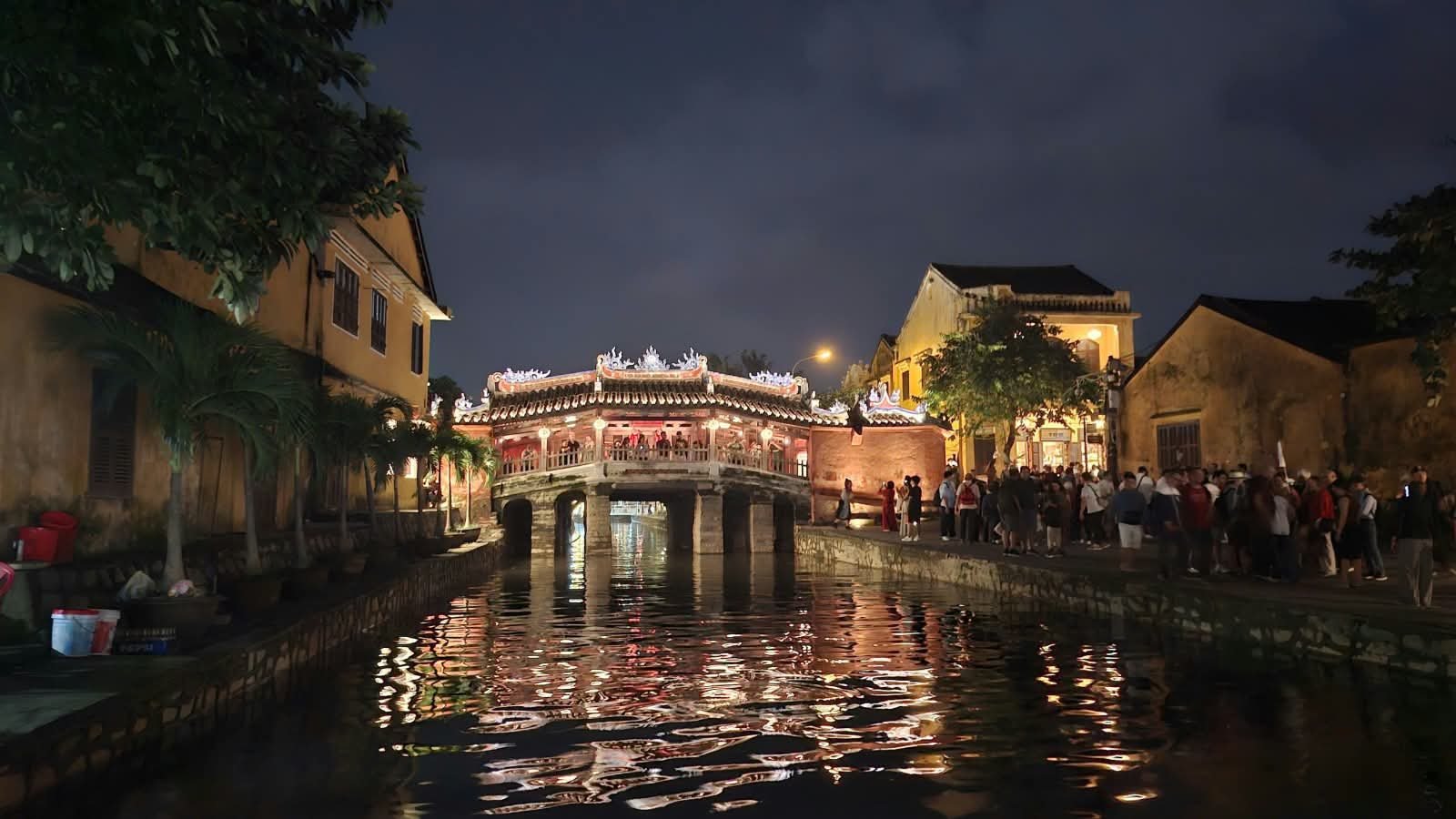
Start at the Japanese Covered Bridge
Go early, before the crowd builds on the bridge itself. It was built by the Japanese merchant community in the 1590s to reach the Chinese quarter, and it has a dog at one end and a monkey at the other. The light on the yellow walls in the late afternoon is the best of the day.
Then two buildings, not ten
Your ticket covers five heritage sites, but nobody enjoys five in a row. I would spend the time on two:
- Tan Ky House — a merchant home from 1741, still lived in, with flood marks up the wall showing how high the river comes in November
- Fujian Assembly Hall — spiral incense coils hanging from the roof and an altar to the goddess who protects sailors
Eat before the queues
Cao lau, white rose dumplings, and a banh mi that lives up to the fuss at about 30,000₫. Finish with che rather than a dessert menu.
Then the river
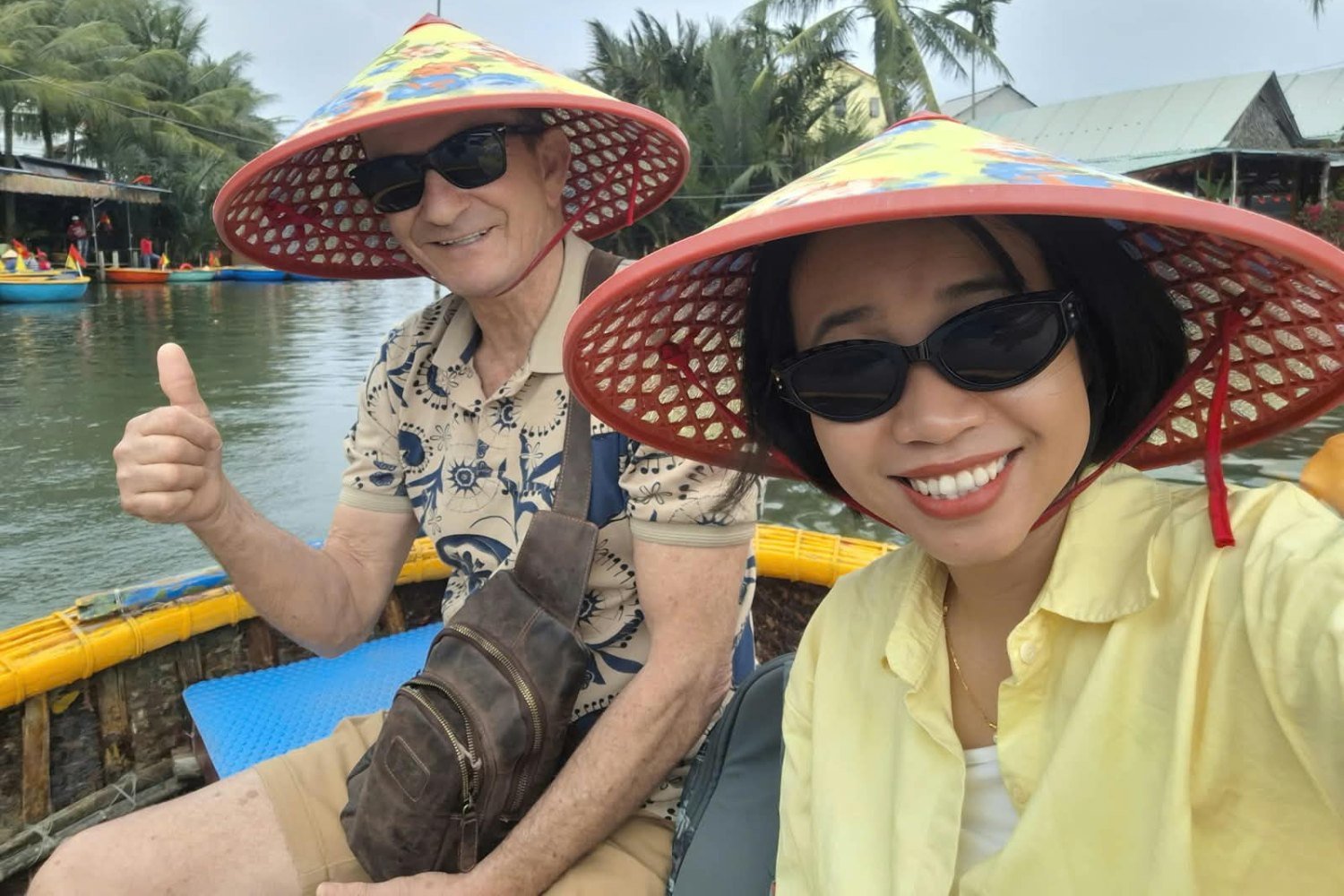
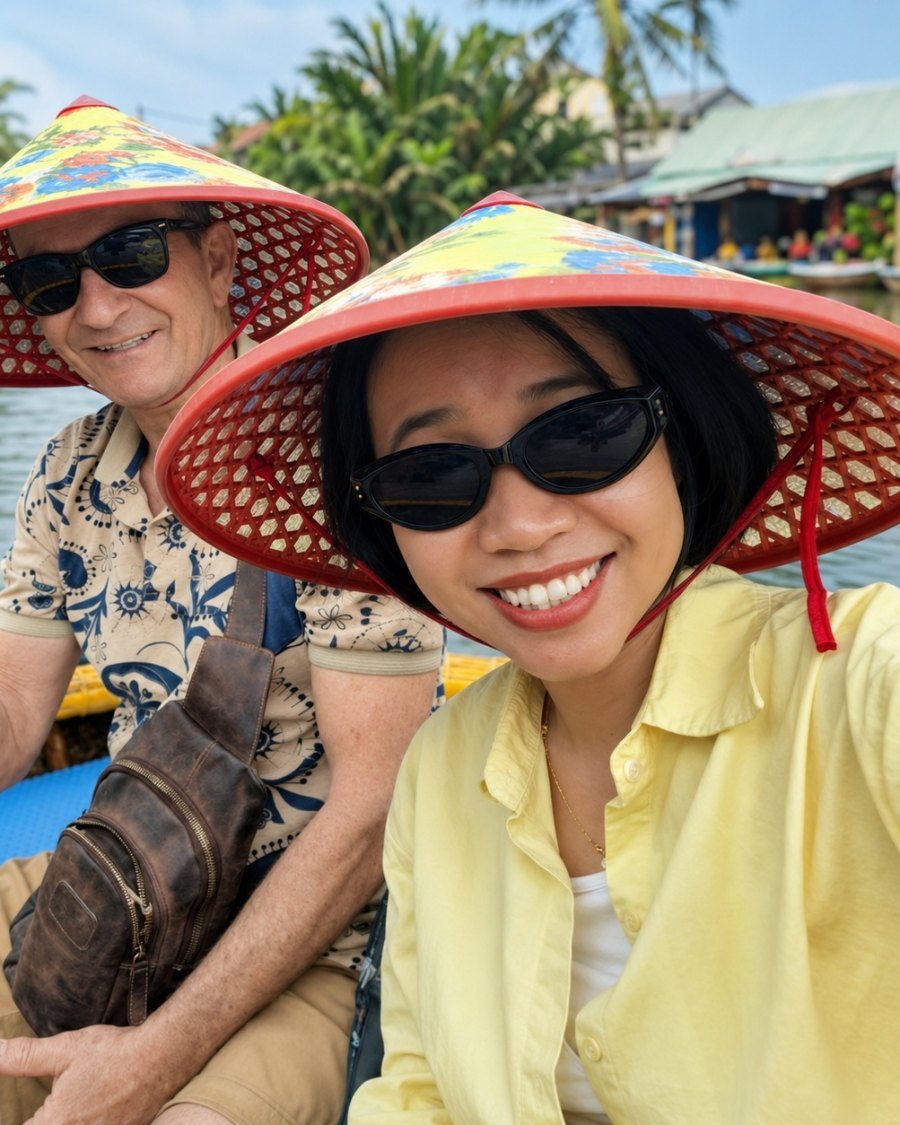
When the streets close to traffic, take a rowing boat on the Thu Bon and float a paper lantern. It is the single most touristy thing in Central Vietnam and I have never once seen anybody regret it.
Stay past nine. Most day-trippers leave at eight, and the last hour is the one worth staying for.